

Otitis Media: Symptoms, Causes, Diagnosis, Treatment, and Prevention
18 August 2026
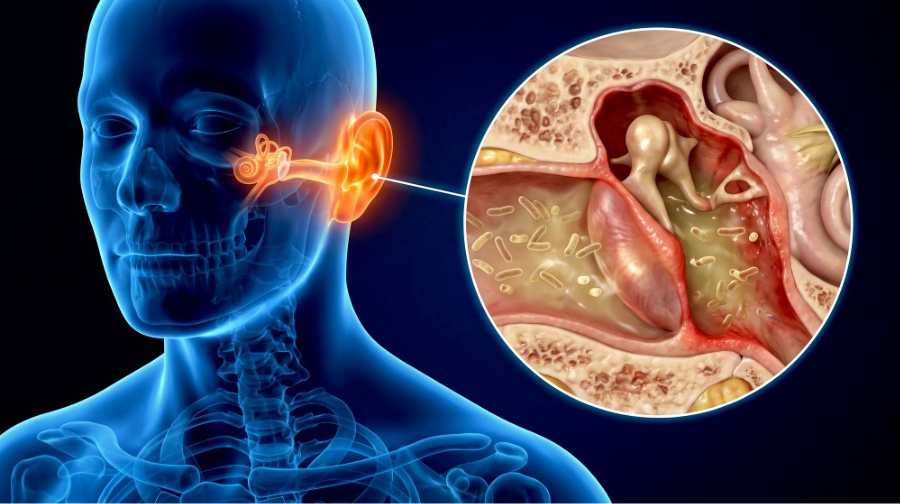
Introduction
Otitis media is a common condition, especially in children. It is also known as a middle ear infection. Many parents worry about otitis media in children because it can cause pain and hearing problems. However, with the right care, most cases improve quickly. In this blog, you will learn about otitis media symptoms, causes, diagnosis, treatment, and ways to prevent ear infections.
What is Otitis Media?
Otitis media means an infection or inflammation of the middle ear. The middle ear is the space behind the eardrum and extends until the lateral wall of the inner ear. There are different types of otitis media:
Acute otitis media: A sudden infection with pain and swelling.
Otitis media with effusion: Fluid builds up in the middle ear, but there may be no pain.
Chronic otitis media: The infection lasts a long time or keeps coming back.
Children under five years old are most at risk. Still, adults can get otitis media too.
Symptoms of Otitis Media
Otitis media symptoms can vary. Often, symptoms appear quickly. For example, children may not always say their ear hurts, but you can look for these signs:
Ear pain or pulling at the ear
Fever
Trouble hearing
Fluid or pus draining from the ear
Fussiness or trouble sleeping
Loss of balance
Loss of appetite
Adults may notice ear pain, hearing loss, or a feeling of fullness in the ear. If symptoms last more than a few days, it is important to seek help.
Causes and Risk Factors
Otitis media often starts after a cold or throat infection. Viruses or bacteria can travel from the nose or throat to the middle ear. As a result, the ear fills with fluid and becomes infected. Several factors can increase the risk:
Young age (especially under 2 years)
Attending daycare or crowded places
Exposure to tobacco smoke
Family history of ear infections
Allergies
Using a pacifier
Not being breastfed
Seasonal changes (more common in fall and winter)
Because children have shorter ear tubes, germs can reach the middle ear more easily.
Diagnosis of Otitis Media
Doctors use several methods to diagnose otitis media. First, they ask about symptoms and medical history. Next, they look inside the ear with a special tool called an otoscope. This tool helps them see if the eardrum is red, swollen, or has fluid behind it. Sometimes, doctors use a test called tympanometry. This test checks how the eardrum moves with respect to the middle ear pressure and volume. In rare cases, other hearing tests may be needed, especially if infections keep coming back.
Treatment Options for Otitis Media
Treatment for otitis media depends on the cause and severity. Many mild cases get better on their own. However, some cases need medicine or other care. Here are common treatment options:
Pain relief: Acetaminophen or ibuprofen can help reduce pain and fever.
Antibiotics: Doctors may prescribe antibiotics if the infection is caused by bacteria, especially in young children or severe cases.
Warm compress: Placing a warm and dry cloth over the ear can ease discomfort.
Ear drops: Sometimes, doctors suggest ear drops for pain relief.
Watchful waiting: For mild cases, doctors may wait a few days before giving antibiotics.
Drainage tubes: In children with frequent infections, small tubes may be placed in the ear to help fluid drain.
It is important to finish all prescribed medicine, even if symptoms improve. Never use leftover antibiotics without a doctor’s advice.
Prevention Tips for Otitis Media
While you cannot prevent all ear infections, you can lower the risk. These tips can help prevent otitis media in children and adults, as follows:
Wash hands often to stop the spread of germs
Avoid smoking(active and passive)
Keep up with recommended vaccines, like the flu shot and pneumococcal vaccine
Breastfeed infants if possible
Limit pacifier use after six months
Avoid putting foreign objects in the ear
Keep children away from sick people when possible
Because prevention is key, these steps can help keep your family healthy.
When to See a Doctor
Most ear infections improve within a few days. However, you should see a doctor if:
Symptoms last more than two days
There is severe ear pain
Fluid, pus, or blood drains from the ear
Your child is under six months old and has a fever
Hearing loss or balance problems develop
Early treatment can prevent complications. For more information, visit trusted sources like the CDC or WHO.
Conclusion
Otitis media is common, but most cases are mild and treatable. Knowing the symptoms, causes, and prevention tips can help you protect your family. If you have concerns about ear infections, consult an ENT specialist (Dr. Hareesh) for personalized advice on otitis media.
Have questions about this topic?
Book a consultation with Dr. Hareesh for personalized ENT care.
Book Appointment