

Nosebleeds (Epistaxis): First Aid and When to See an ENT
2 September 2026
What Are Nosebleeds (Epistaxis)?
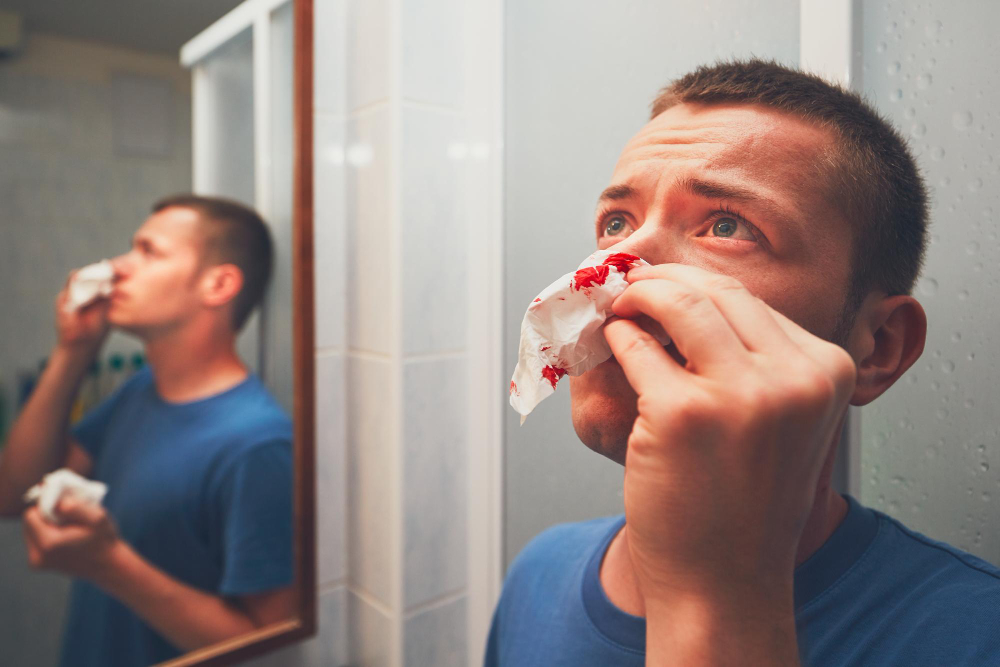
Nosebleeds, also called epistaxis, happen when blood flows from the nose. Most nosebleeds start in the front part of the nose. This area has many tiny blood vessels that can break easily. Although nosebleeds can look scary, they are often not serious. However, some cases may need medical help. According to the World Health Organization (WHO), nosebleeds are common and can affect people of all ages.
Common Causes of Nosebleeds
Many things can cause a nosebleed. For example, dry air or picking your nose can make the blood vessels break. In addition, some health conditions may increase your risk. Here are some common causes:
- Dry or cold air
- Nose picking or blowing your nose hard
- Injury to the nose
- Allergies or colds
- Use of blood-thinning medicines
- High blood pressure
- Frequent use of nasal sprays
- Underlying health problems, such as bleeding disorders
Sometimes, nosebleeds can happen without a clear reason. But knowing the cause can help you prevent future episodes.
Recognizing Symptoms
Most nosebleeds are easy to spot. However, it is important to know what to look for. Common symptoms include:
- Blood coming from one or both nostrils
- Feeling liquid in the back of your throat
- Lightheadedness or dizziness (if bleeding is heavy)
Sometimes, you may also notice blood when you blow your nose. If you see large amounts of blood or feel weak, you should seek help right away.
First Aid Steps for Nosebleeds
Knowing how to stop a nosebleed can help you stay calm. Follow these nosebleed first aid steps:
- Sit up straight and lean slightly forward. This helps keep blood from going down your throat.
- Pinch the soft part of your nose, just below the bridge, for 10 to 15 minutes. Use your thumb and index finger.
- Breathe through your mouth while pinching your nose.
- Apply a cold pack or ice wrapped in a cloth to the bridge of your nose. This may help slow the bleeding.
- After 15 minutes, slowly release your nose. If bleeding continues, repeat the steps once more.
Do not tilt your head back or lie down. This can cause blood to go into your throat or stomach. Also, avoid blowing your nose right after the bleeding stops.
When to See an ENT Specialist
Most nosebleeds stop with simple first aid. However, there are times when you should seek medical help. You should visit an ENT specialist if:
- The bleeding lasts longer than 20 minutes
- You have frequent nosebleeds (more than once a week)
- The nosebleed started after a serious injury
- You feel weak, faint, or have trouble breathing
- You are taking blood thinners or have a bleeding disorder
If you search for "nosebleed treatment near me," you can find local ENT clinics. Early care can help prevent future problems.
Prevention Tips for Nosebleeds
There are simple ways to lower your risk of nosebleeds. For example, you can:
- Keep your home air moist with a humidifier
- Avoid picking or blowing your nose too hard
- Use saline nasal sprays to keep your nose moist
- Wear protective gear during sports
- Limit use of nasal sprays and decongestants
- Manage allergies with your doctor’s advice
In addition, drinking plenty of water can help keep your nose healthy. If you have frequent nosebleeds, talk to your doctor about other prevention steps.
Frequently Asked Questions
- Are nosebleeds dangerous? Most nosebleeds are not dangerous. However, heavy or frequent nosebleeds may need medical care.
- How can I stop a nosebleed quickly? Sit up, lean forward, and pinch your nose for 10 to 15 minutes. This is the best way to stop most nosebleeds.
- Should I tilt my head back during a nosebleed? No, always lean forward. Tilting back can cause blood to go into your throat.
- When should I visit an ENT for nosebleeds? If nosebleeds are frequent, last over 20 minutes, or follow an injury, see an ENT specialist.
- Can children get nosebleeds? Yes, nosebleeds are common in children, often due to dry air or nose picking.
If you experience frequent or severe nosebleeds, consult Dr. Hareesh for personalized care.
Have questions about this topic?
Book a consultation with Dr. Hareesh for personalized ENT care.
Book Appointment